
Just so you know: a couple of links in this post are affiliate links. If you book through them, I may earn a small commission at no extra cost to you. I only link to things I’d tell a friend to use.
I’ve worked in Icelandic tourism for almost 20 years, and every single summer I watch visitors make the same Iceland road trip mistakes. Expensive, frustrating, and nearly all of them avoidable, if someone just tells you what to expect.
So here’s that someone. These are the ten Iceland road trip mistakes I see most often, and exactly how to avoid each one. Prices checked October 2026.
The quick version
Add 30–50% to every Google Maps time. Buy gravel protection, skip theft cover. Check road.is every morning. Keep the tank above half. Stay off F-roads in a 2WD. Budget about 10,000–16,000 ISK for the kilometre tax on a Ring Road trip. Book summer beds two to three months out.
1. Underestimating driving times
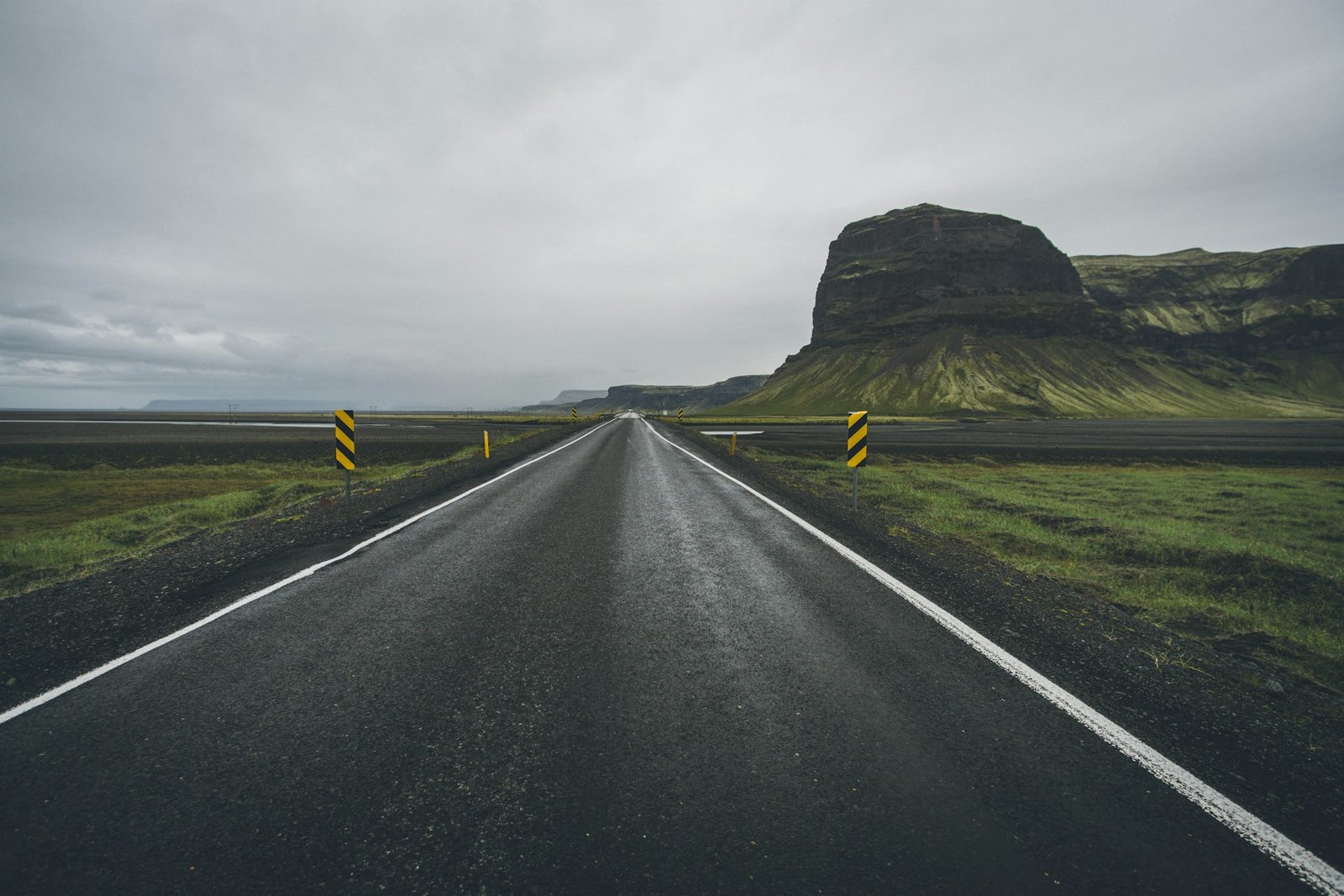
This is the number one mistake, by a mile. Google Maps says Reykjavík to Vík is 2.5 hours. In real life it’s 3.5 to 4.5, once you add:
- Waiting at single-lane bridges, and sitting behind campervans on two-lane roads with nowhere to pass
- Stopping for photos (you will, and you should)
- Bathroom stops, which are further apart than you’d think
- Weather. A side wind at Vík can slow you to 60 km/h for an hour
How to avoid it: add 30–50% to whatever Google says. Three hours means plan for four to four and a half. I wrote a whole post on this for the Golden Circle, because every website gets it wrong.
2. Buying the wrong car rental insurance
Icelandic rental insurance is confusing on purpose, and most visitors either buy far too much and waste 30,000 ISK, or buy too little and get a bill for a chipped windscreen.
What you actually need:
- CDW (Collision Damage Waiver): usually included. Check the excess, it can be 300,000 ISK or more.
- SCDW (Super CDW): cuts that excess down. Worth it on anything longer than a weekend.
- Gravel protection: the one I’d never skip. Gravel roads chip windscreens constantly, and a windscreen is the most common damage claim in the country.
- Sand and ash protection (SAAP): only if you’re driving the South Coast near Vík or the glacier plains in spring or during a windy forecast.
Skip: theft protection (car theft here is close to zero) and personal accident insurance (your travel insurance covers it).
Local tip: Some companies now sell a “premium” bundle that includes everything above plus theft and tyres. If the bundle costs less than SCDW plus gravel bought separately, take the bundle. If not, buy the two and ignore the rest.
What I’d book
Compare local rental companies on Localrent
It shows what each price includes up front, so you compare the real cost, not the teaser rate.
3. Not checking road conditions every morning
Icelandic weather changes fast. A road that was fine yesterday can be closed today for ice, wind or a flooded river.
I’ve seen people plan an entire Ring Road trip and lose the whole north to a three-day storm. Not fun with a non-refundable hotel in Akureyri.
How to avoid it:
- Check road.is every morning before you start the engine, and again before any long stretch
- Check vedur.is for the wind forecast, not just rain. Wind is what closes roads here
- Have a plan B. If Route 1 north is closed, what do you do that day?
- Download the SafeTravel app and leave your travel plan in it
What I’d sort out before flying
An eSIM with Icelandic data
None of the above helps if your phone has no signal outside town. A Yesim eSIM installs in two minutes and works from the moment you land.
4. Trying to see too much in too little time
“We’re doing the whole Ring Road in five days!”
No, you’re not. You’re driving eight to ten hours a day, seeing nothing properly and arriving home exhausted.
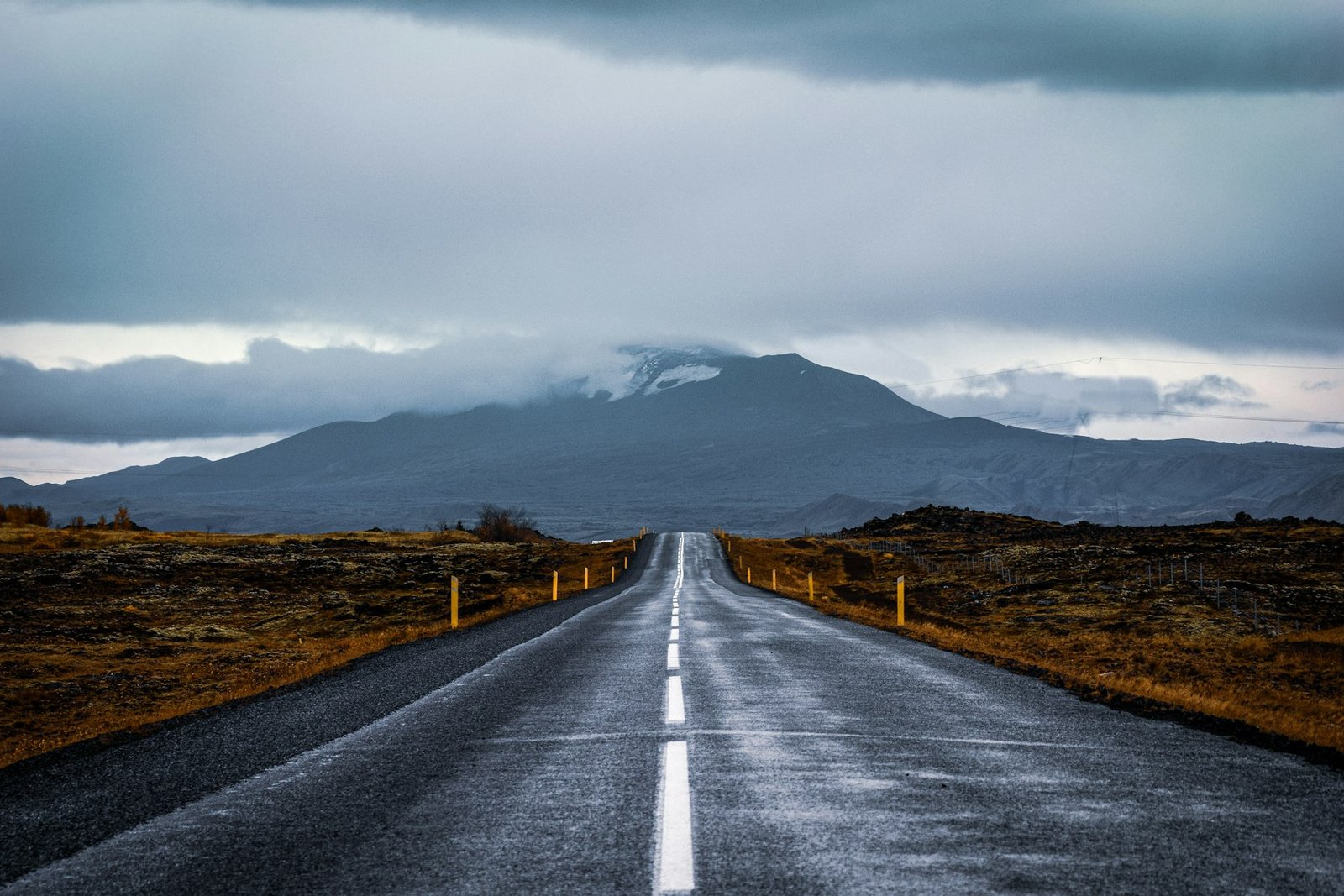
The Ring Road is 1,332 km of driving before you add a single detour or stop.
Realistic itineraries:
- 5 days: the South Coast only, Reykjavík to Jökulsárlón and back
- 7 days: South plus West (Snæfellsnes), or South plus East
- 10–12 days: the full Ring Road, done properly
Fewer places, seen well, beats a speed run every time.
5. Driving F-roads without a 4×4
F-roads are the highland mountain roads, marked with an F on the sign (F35, F208, F26). They need a proper 4×4, and your rental contract will say so.
If you take a 2WD onto an F-road:
- Your insurance is void. Any damage is 100% yours
- You’ll probably get stuck and need a rescue that costs more than the whole rental
- Some F-roads have river crossings. People have died getting these wrong
F-roads usually open in mid-June or later, and close again in September. Don’t try to sneak in early. Rangers patrol, and the fines are real.
If you want the highlands, rent a real 4×4 or book a tour. It’s the one place I’d tell an independent traveller to consider a guide.
What I’d book
A highland day tour from Reykjavík on Klook
Super-jeep or bus, with a driver who’s done the river crossings a hundred times. Cheaper than a 4×4 rental for a one-day visit.
6. Not refuelling often enough
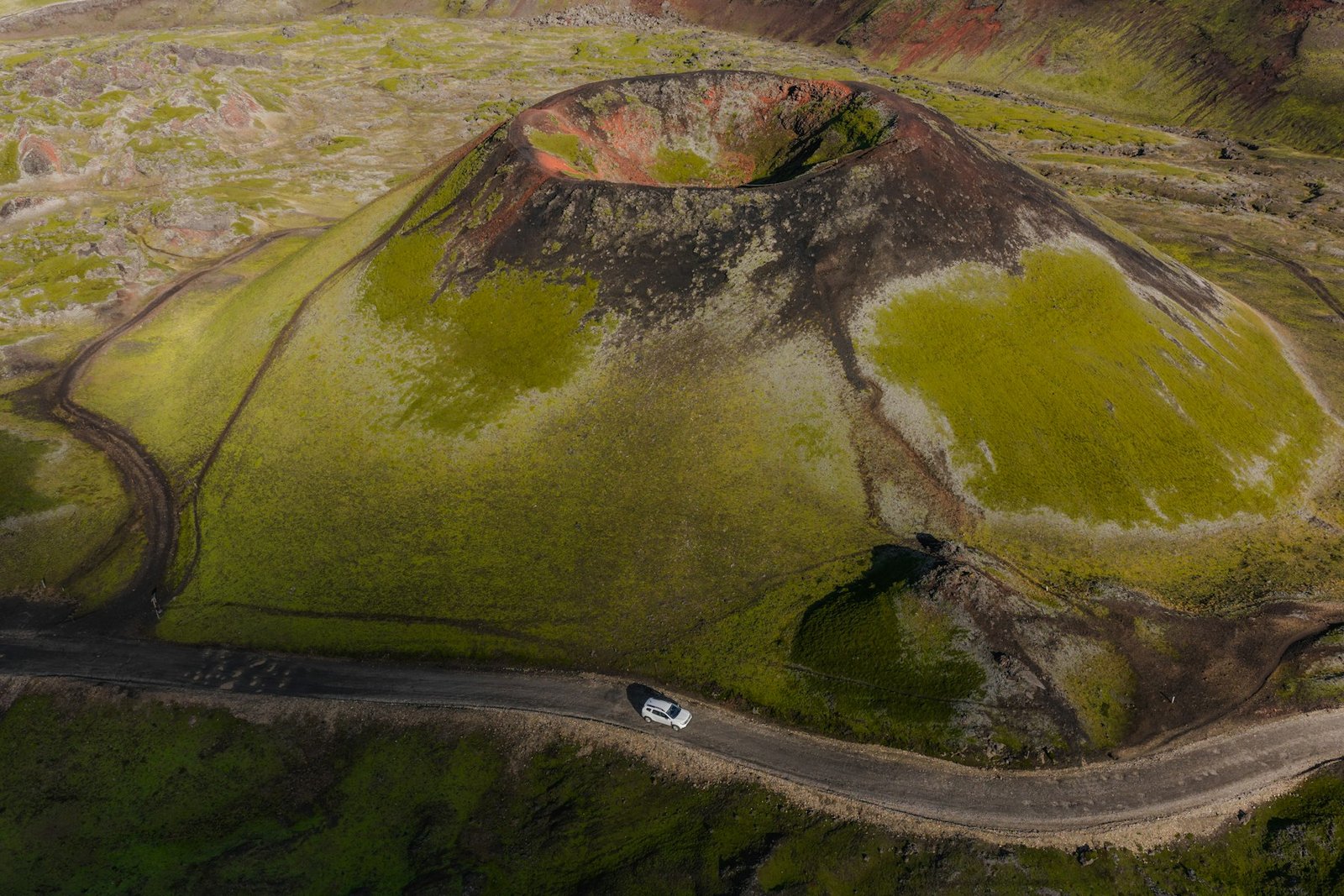
Petrol stations can be 100 km apart in the east and the north, and in a storm that gap feels a lot longer.
I’ve seen people run dry on the empty Route 1 stretch across Möðrudalsöræfi, between Egilsstaðir and Mývatn, where there’s next to nothing for well over 100 km. A tow out there starts at around 40,000 ISK.
Local rule: never let the tank drop below half outside the capital area. If you see a station in the countryside, use it.
Fuel prices (October 2026): petrol is around 280 ISK per litre and diesel around 325. A full tank on a typical small rental is roughly 14,000 ISK. That’s cheaper than a couple of years ago, because part of the old fuel tax moved to the kilometre tax in mistake number 9.
7. Stopping in dangerous places for photos
I see this every summer: cars stopped on blind bends, parked half on the Ring Road, people standing on the edge of a cliff for a photo.
Please don’t:
- Stop on the Ring Road itself. Use the marked pull-outs; there are more than you think
- Park on the soft shoulder. You will sink, and the tow is on you
- Get close to the water at Reynisfjara. Sneaker waves have killed people there
- Drive off-road. It’s illegal, the fines are heavy, and the moss takes decades to recover
If there’s no safe place to pull over, the photo isn’t worth it. Keep driving. There’ll be another view in ten minutes; there always is.
8. Packing for the wrong weather
Summer in Iceland can be 15°C and sunny at two o’clock, then 5°C with horizontal rain at four. I see people shivering in shorts at Skógafoss every single day in July.
What to actually bring:
- A properly waterproof jacket, not “water-resistant”
- Waterproof walking boots
- A fleece or light down layer
- Waterproof trousers if you plan to hike
- A hat and gloves, yes, even in summer
Dress in layers. You’ll be taking them on and off all day. And no, you don’t need to buy an Icelandic wool jumper on day one. Pack what you have.
9. Forgetting the kilometre tax
Since 1 January 2026, every car in Iceland pays a kilometre-based road tax, which replaced most of the old fuel tax. For a normal rental car the government rate is 6.95 ISK per kilometre.
Rental companies handle it in one of two ways, so ask at pickup which one yours uses:
- Per kilometre: they read the odometer and add the exact amount to your final invoice, sometimes with a small service fee on top
- Flat daily fee: about 1,550 ISK a day, charged up front, no odometer check
What it costs: a full Ring Road at the per-km rate is about 9,300 ISK; a ten-day rental on a flat fee is about 15,500 ISK. Budget 10,000–16,000 ISK and you won’t be surprised at the desk.
Local tip: If you’re only doing the South Coast and the Golden Circle, the per-kilometre model is usually cheaper. If you’re driving the whole Ring Road, the flat fee often wins. Do the sums before you book.
What I’d compare
Icelandic rental companies side by side
Localrent shows the local companies in one list, so you can check how each one charges the kilometre tax before you commit.
10. Not booking summer accommodation in advance
“We’ll just find somewhere when we get there.”
In June, July and August, you won’t. Vík, Höfn and Akureyri sell out completely, and I’ve met people sleeping in their rental car in a car park because of it.
How far ahead to book:
- Summer: two to three months, minimum
- Shoulder season (April–May, September–October): three to four weeks
- Winter: a week or two is usually fine, outside Christmas and New Year
Yes, it means committing to a route. That’s still better than no bed.
Planning the road trip yourself? Don’t overpay on the way.
My free guide: 10 things tourists waste money on in Iceland, and what locals do instead. Prices checked October 2026.
Bonus Iceland road trip mistake: no emergency kit in the car
Keep these in the boot, always:
- Water, at least two litres per person
- Snacks, because the next shop may be 100 km away
- A phone charger and a power bank
- A warm blanket in winter
- A small first-aid kit
If you break down somewhere remote, help can take two to four hours to reach you. Be ready to wait comfortably.
Avoiding these Iceland road trip mistakes
Driving Route 1 with the window down on a still July evening is still my favourite thing in this country. The same road in a January storm is a different animal.
Avoid these ten Iceland road trip mistakes and you’ll spend your time looking at waterfalls instead of at a rescue invoice. Check the roads every morning, plan realistic days, pack for four seasons, and respect the weather. Do that, and you’ll love every kilometre.