
Just so you know: some links in this post are affiliate links. If you book through them, I may earn a small commission at no extra cost to you. I only link to things I’d tell a friend to use.
Doing the Golden Circle without the crowds sounds impossible if you’ve seen the pictures. Þingvellir, Geysir, Gullfoss, done. In peak summer the bus park at Geysir looks like a small town, the path around Strokkur is shoulder to shoulder, and the viewing platform at Gullfoss can get properly miserable around midday.
Here’s the thing, though. Almost every tour bus does the same three stops, in the same order, at the same time of day. Step slightly off that rhythm, either by a couple of hours or a few hundred metres, and you’ll find places with almost nobody there. I’ve been driving this loop for most of my life, and below is exactly how I’d do it if you were a friend staying on my sofa.
The Golden Circle Without the Crowds Starts With Your Alarm Clock
Timing matters more than any secret spot. The big day tours leave Reykjavík between 8:00 and 9:00, reach Þingvellir around 9:30, Geysir around lunchtime and Gullfoss in the early afternoon. Between 10:00 and 15:00 in June, July and August, every main stop is at its busiest.
So you have two options:
- Go early. Leave Reykjavík at 7:30, do Þingvellir first, and you’ll be at Geysir before the first coaches pull in.
- Go late. In summer it doesn’t get dark, so starting at 14:00 and doing the loop backwards (Kerið first, Þingvellir last) works beautifully. The evening light at Þingvellir is the best of the day.
Either way, you need your own car. That freedom is the whole reason to skip the bus tour.
What I’d book
A small rental car for the day
The Golden Circle is paved all the way, so any 2WD does it in summer. Localrent shows the Icelandic companies side by side with what’s included.
1. Þingvellir: Park Low and Walk Up, Then Find the Lake
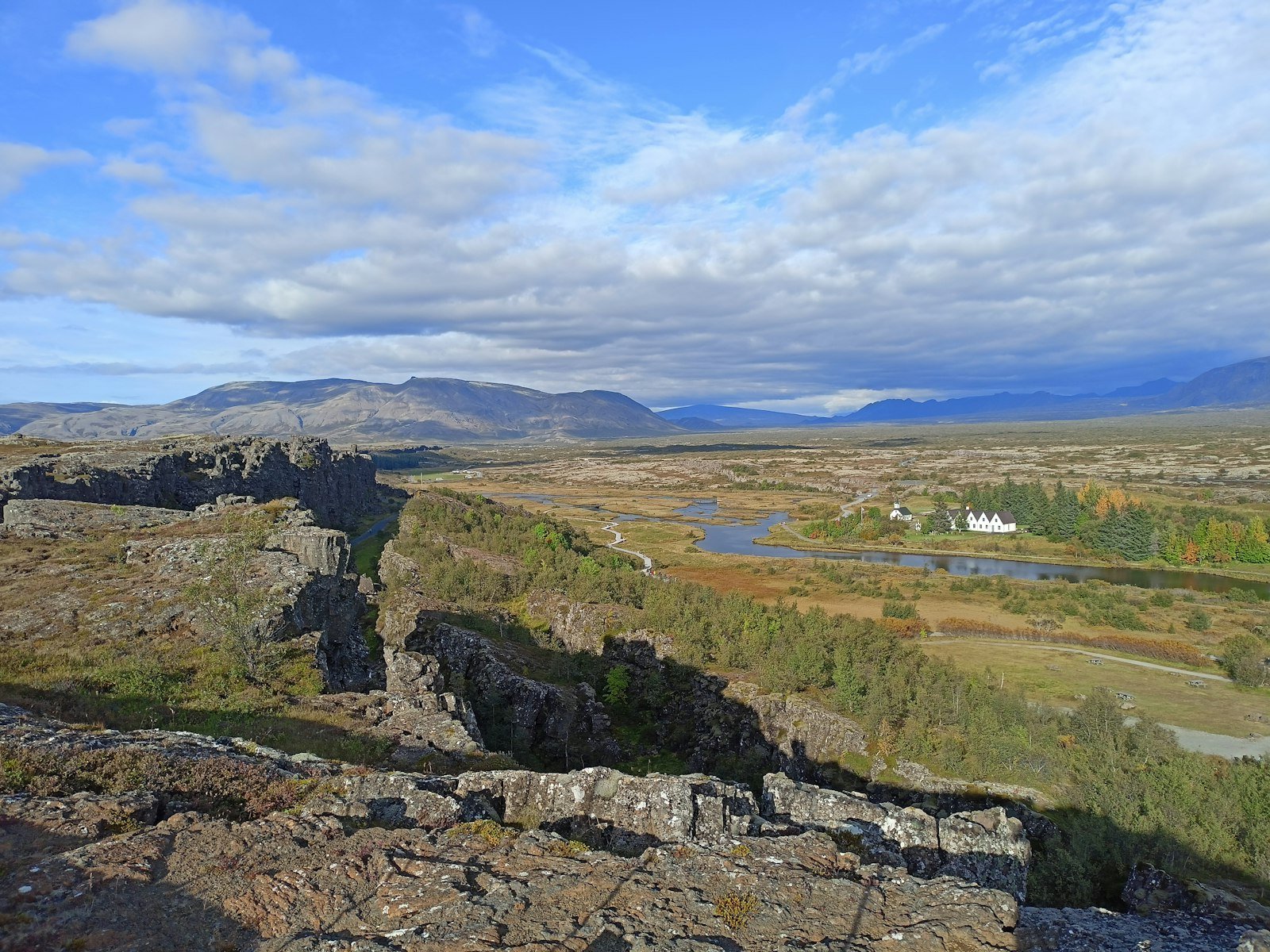
Everyone parks at the top, at Hakið by the visitor centre, and walks down into the Almannagjá gorge. That’s where the North American and Eurasian plates are visibly pulling apart, and it’s worth seeing. But the buses unload there too.
Instead, park at P2 (Efri-Vellir) or P5 (Valhöll) down in the valley and walk the gorge in the opposite direction. The parking fee is 1,000 ISK per car (October 2026) and covers all the park’s lots for the whole day, so you can move around freely. The national park’s parking page has the current details.
Then drive the small lakeside road (361) down to Vatnskot, an old farm site right on the water. Þingvallavatn is Iceland’s largest natural lake, about 84 km², and on a still morning the only sound down there is birds. Most Golden Circle visitors never see the lake up close at all.
2. Geysir: Watch Strokkur Once, Then Walk Away From It
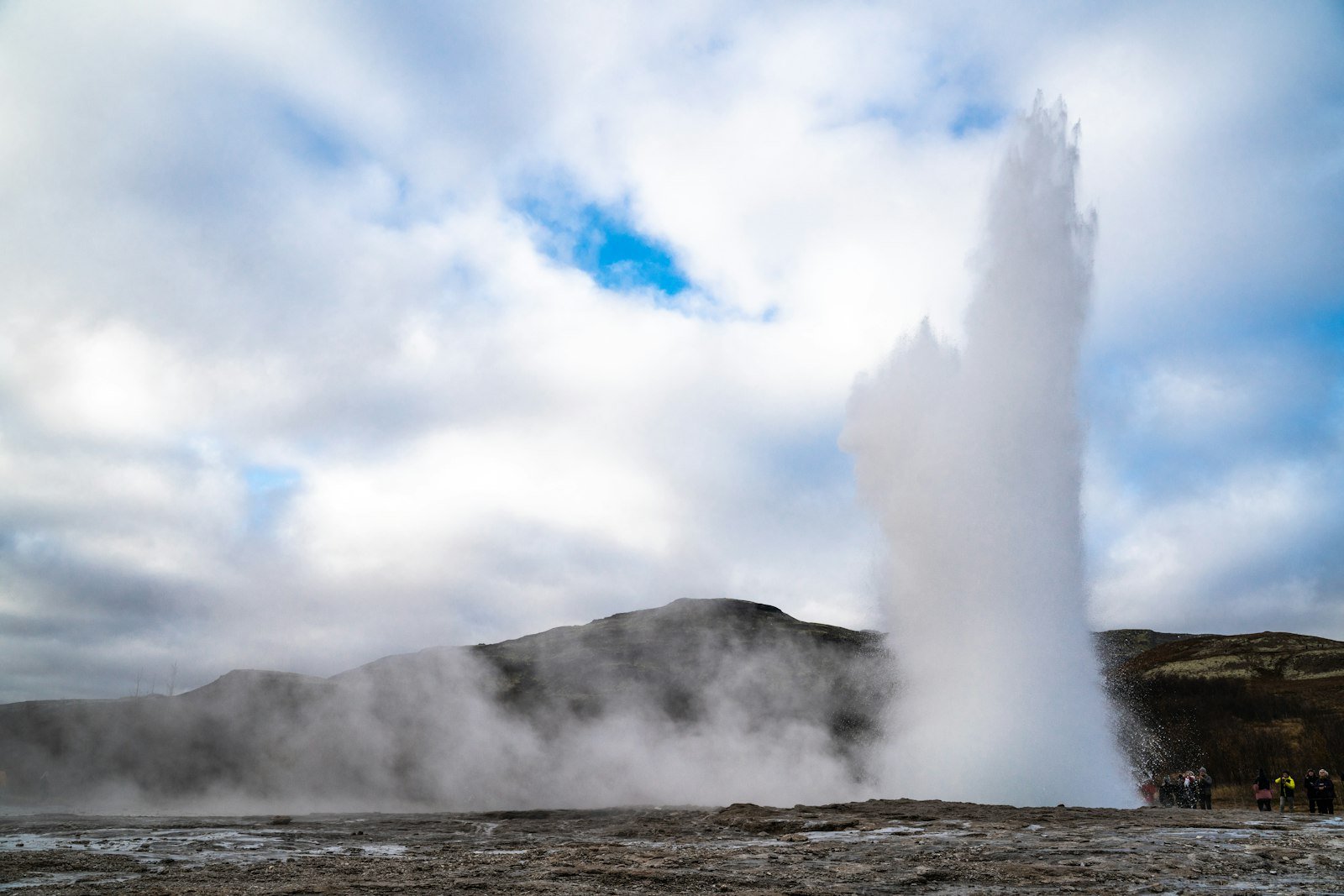
Strokkur erupts every five to ten minutes, and yes, you should watch it once or twice. The geothermal field itself is free to enter. Parking costs 1,000 ISK through the Parka app (October 2026), and cameras read your plate, so pay straight away.
Then walk further into the Haukadalur field, away from the ring of phones around Strokkur. Konungshver is a deep blue hot spring a short walk up the path. Blesi is a double pool: one half crystal clear, the other milky blue from silica. Neither gets a fraction of the attention.
My favourite trick: take the path up the little hill behind the field, Laugarfjall. Ten minutes of uphill walking and you’re looking down on Strokkur erupting with the whole valley behind it, usually with nobody else around. It’s the best view at Geysir, and it’s free.
Local tip: Stay on the marked paths. The ground crust around the hot springs is thin, and the water is close to boiling. Every year someone steps over a rope for a photo and ends up with serious burns.
3. Gullfoss: Skip the Midday Rush
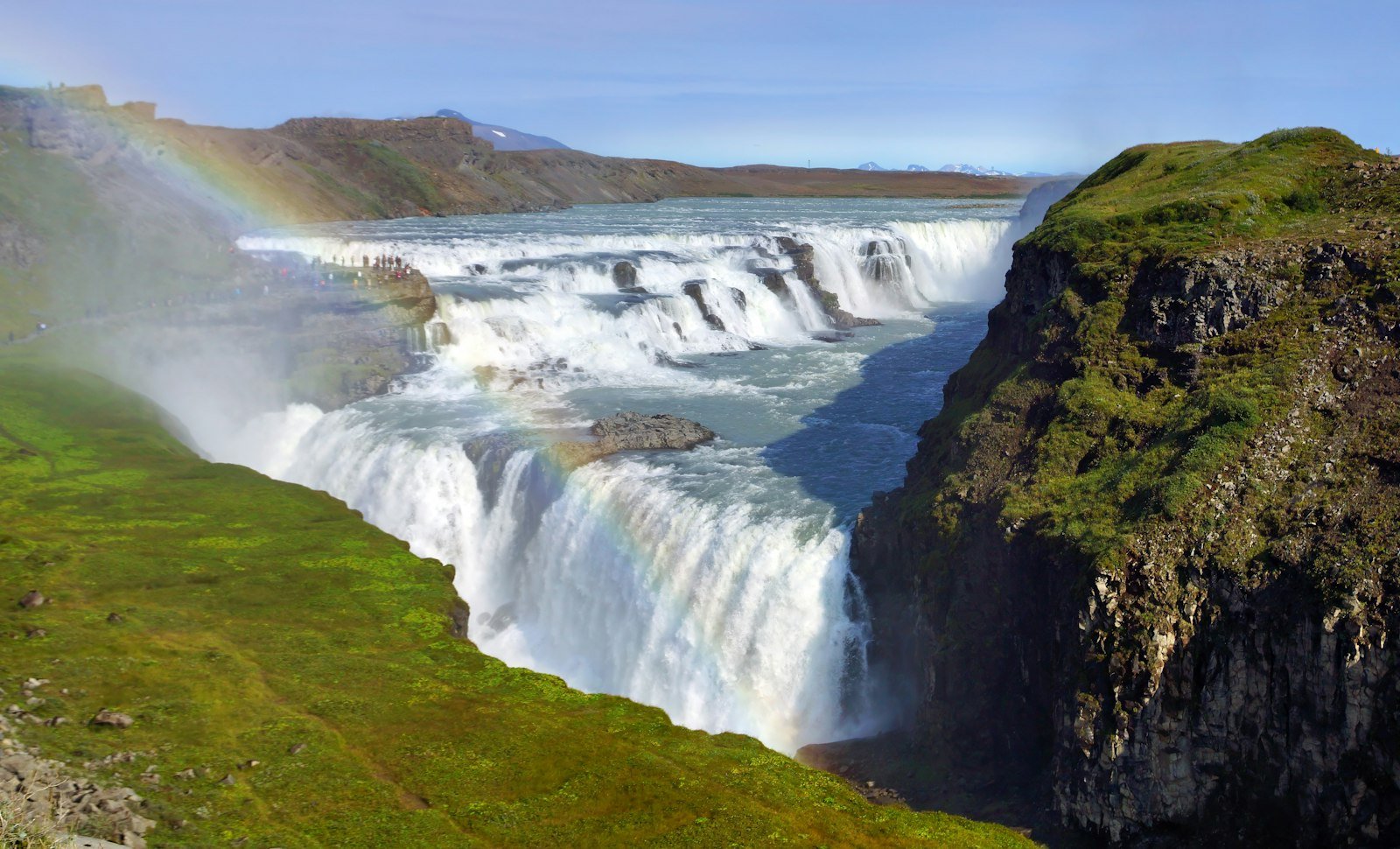
Gullfoss is 10 minutes up the road from Geysir, and parking there is free. It’s genuinely one of the most powerful waterfalls I’ve ever stood next to, so don’t skip it. Just don’t arrive at 13:00 with everyone else.
If you’re on the early plan, you’ll get there before 11:00 and have the lower path almost to yourself. On the late plan, after about 17:00 in summer the coaches are gone. In winter the lower path is often closed because of ice, and the upper viewpoint is the safe option. Don’t climb over the chain, however good the photo looks.
4. Faxi: The Waterfall Everyone Drives Past
Heading south from Geysir towards Reykholt, you pass Faxi (also called Faxafoss) on the Tungufljót river. It’s wide and low rather than tall, and it has a salmon ladder running up the side. In late summer you can sometimes see the fish jumping.
Parking is 700 ISK (October 2026), and you can usually put it towards a coffee at the small restaurant by the falls. Twenty minutes here is a nice break from the big-name stops, and the tour buses almost never come.
5. The Secret Lagoon in Flúðir: On the Route, Off the Path
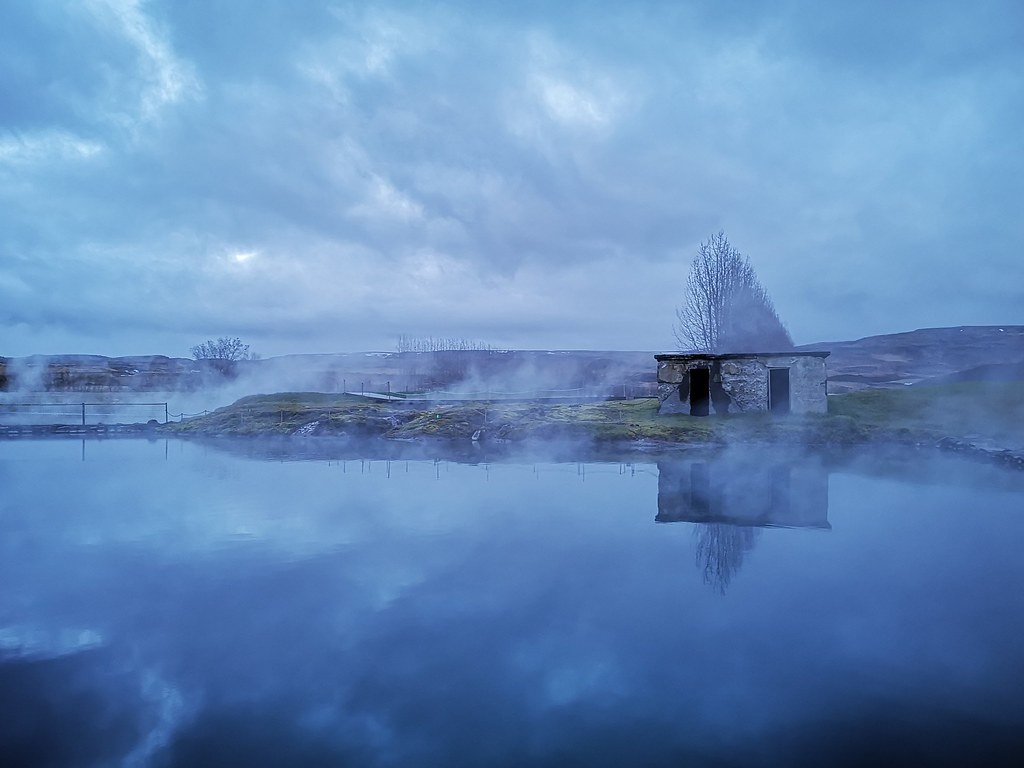
Most Golden Circle itineraries skip Flúðir because it sits slightly south of the main loop. It adds about 25 minutes of driving, and in return you get Gamla laugin, the Secret Lagoon. It’s Iceland’s oldest swimming pool, built in 1891, with naturally hot water around 38–40°C and a tiny geyser bubbling away beside it.
Entry is 4,500 ISK (October 2026), a fraction of the Blue Lagoon. It’s busiest late afternoon, so if you’re on the early plan, a 14:00 soak is perfect. For more warm water off the tourist trail, read my guide to the hot springs locals actually visit.
6. Kerið Crater: Come Early or Late
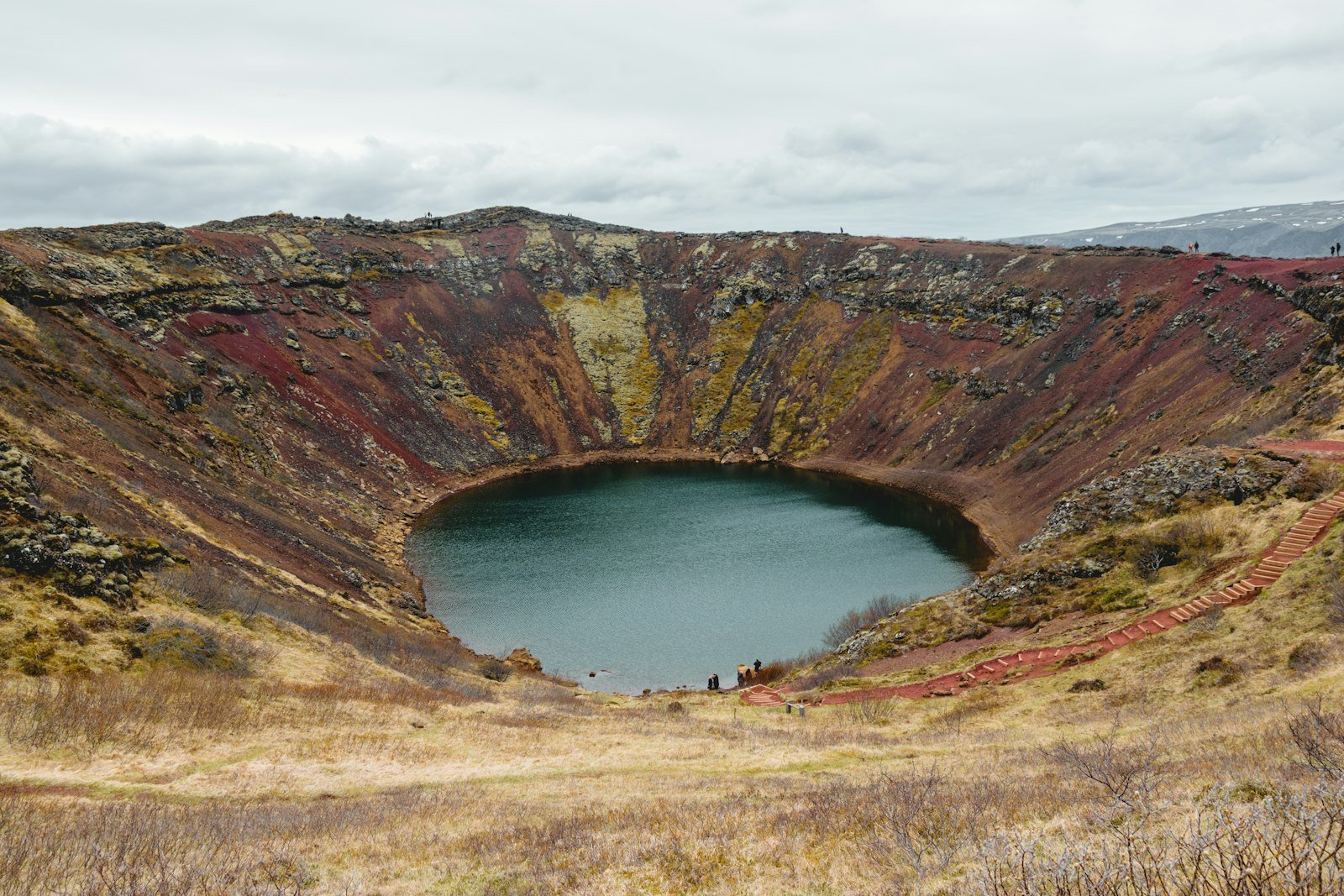
Kerið sits at the southern end of the loop, so a lot of tours skip it. It’s a roughly 3,000-year-old volcanic crater with a green-blue lake at the bottom and red-and-black slopes. Entry is 700 ISK per person (October 2026), paid at the hut, and parking is free.
The walk around the rim takes 15–20 minutes, and there are steps down to the water. At 11:00 in July it’s busy. Before 9:00 or after 19:00 in summer it’s often nearly empty, and the low light makes the colours far better anyway.
My Quiet Golden Circle Day, Hour by Hour
Here’s the early version, the one I’d hand to a friend for June to August:
- 7:30 Leave Reykjavík with a full tank and snacks from Bónus or Krónan
- 8:15 Þingvellir: gorge walk from the bottom, then the lakeside road (about 1 hour 15 minutes)
- 10:00 Geysir, the side pools and the hill behind (about 1 hour)
- 11:15 Gullfoss (45 minutes)
- 12:15 Faxi (20 minutes)
- 13:00 Lunch in Reykholt or Flúðir
- 14:00 Secret Lagoon (about 1.5 hours)
- 16:15 Kerið (30 minutes)
- 17:45 Back in Reykjavík
That’s about ten hours, which is honest for this loop. If you want the full timing breakdown, I go through it stop by stop in how long the Golden Circle really takes.
Doing the Golden Circle yourself? Don’t overpay on the way.
My free guide: 10 things tourists waste money on in Iceland, and what locals do instead. Prices checked October 2026.
Golden Circle Without the Crowds: Quick Questions
When is the Golden Circle quietest?
Late September, October and March are the sweet spot: decent daylight, open roads most days, and far fewer coaches than summer. In December and January you only get four to five hours of daylight, so the loop gets rushed. Check umferdin.is for road conditions before you leave, every time.
How much do the fees add up to?
For one car on the full loop above: Þingvellir parking 1,000 ISK, Geysir parking 1,000 ISK, Faxi 700 ISK and Kerið 700 ISK per person. That’s about 3,400 ISK for a solo driver, or 4,100 ISK for a couple, plus 4,500 ISK each if you add the Secret Lagoon (all October 2026). Gullfoss is free.
Is it worth doing the Golden Circle at all if it’s busy?
Yes. It’s popular for good reasons. You just don’t have to see the version everyone else sees. Drive it yourself, start early or late, and give yourself permission to linger at the quiet stops and leave the busy ones quickly.