
Just so you know: a link in this post is an affiliate link. If you book through it, I may earn a small commission at no extra cost to you. I only link to things I’d tell a friend to use.
The Hveragerði to Reykjavík drive is 46 km of Route 1 over the Hellisheiði plateau, and most visitors treat it as the boring bit between the hot springs and the hotel. Fair enough, it only takes about 45 minutes. But if you know where to turn off, this short stretch has steaming valleys, a lava tunnel, red craters and the best-value hot water in the country.
Below are the stops in the real driving order, heading west from Hveragerði to Reykjavík, with what each one costs and whether I think it’s worth your time. Prices checked October 2026.
The quick version
46 km, about 45 minutes without stops. Soak in Reykjadalur before you leave, look back from Kambabrún, walk the steam vents at Hveradalir, skip the lava tunnel unless caves are your thing, stretch your legs at Rauðhólar and finish in a Reykjavík pool for about 1,500 ISK. Check umferdin.is before you cross the heath, every time.
The Hveragerði to Reykjavík Drive at a Glance
- Distance: 46 km from Hveragerði to Reykjavík city centre
- Driving time: 40–45 minutes non-stop, longer in city traffic
- With the stops below: half a day, or a full day if you hike Reykjadalur
- Road: Route 1, paved and wide with extra lanes on most of the climb, but it crosses an exposed mountain heath
- Kilometre tax: if your rental company charges per kilometre (6.95 ISK/km for a normal car, October 2026), this drive adds roughly 320 ISK. Some companies charge a flat 1,390 ISK per rental day instead, plus any admin fee; the company chooses
Here’s the thing most people don’t realise. Hellisheiði is a mountain road. In good weather it’s a fast, easy main road. In a January storm it can be closed for hours. So the order of this post matters less than one habit: look at umferdin.is and the wind on vedur.is before you leave Hveragerði.
1. Reykjadalur: Soak Before You Leave Hveragerði
Technically this is a step backwards, because the trailhead is about 3 km north of town rather than on Route 1. Still, if you’re starting the drive in Hveragerði, this is the stop I’d plan the whole day around. (For the geothermal park, the town pool and where to eat, see my guide to things to do in Hveragerði.)
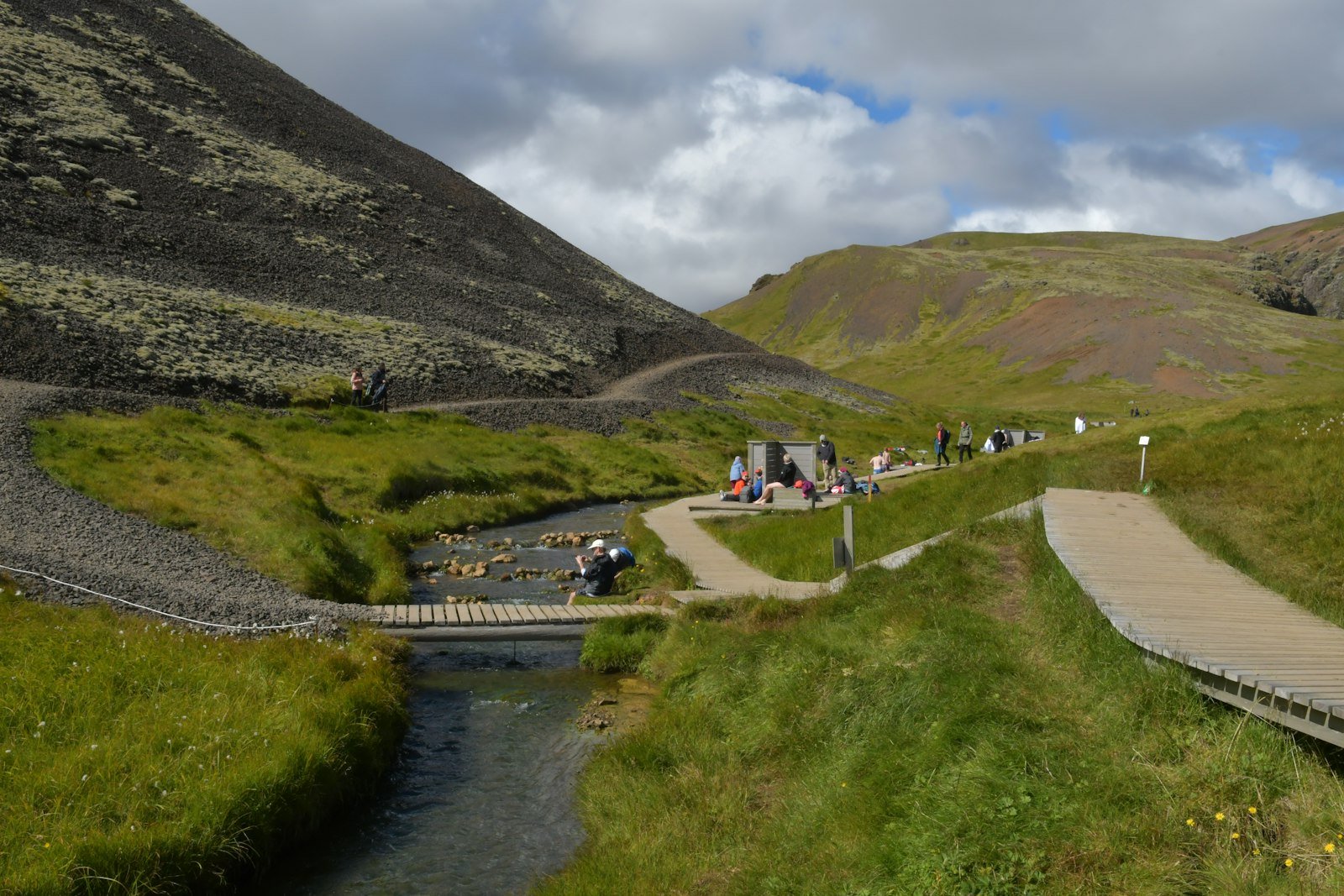
Reykjadalur is a valley where a hot stream runs through the hills, and you bathe in the river itself. It’s free (October 2026). Parking at the trailhead is paid by the hour, by app or at the machine.
- The walk: about 3.5 km each way with a steady climb. Allow an hour up and 45 minutes down
- The bathing spot: a wooden boardwalk with simple changing screens and no roof, so wear your swimsuit under your clothes
- Temperature: it changes along the stream. Upstream is hotter, so move up or down until it feels right
Honestly, compare that with the Blue Lagoon. Comfort entry starts from 9,990 ISK (October 2026), and it’s a lovely spa. But Reykjadalur gives you a mountain valley and a hot river for the price of parking. If you only have budget for one soak on this trip, it’s an easy decision.
What I’d book
A rental car, because no bus stops at these places
The Strætó bus runs Route 1, but it won’t drop you at Hveradalir or Rauðhólar. Localrent shows the Icelandic companies side by side with what’s included.
2. Kambabrún: Look Back Before the Heath
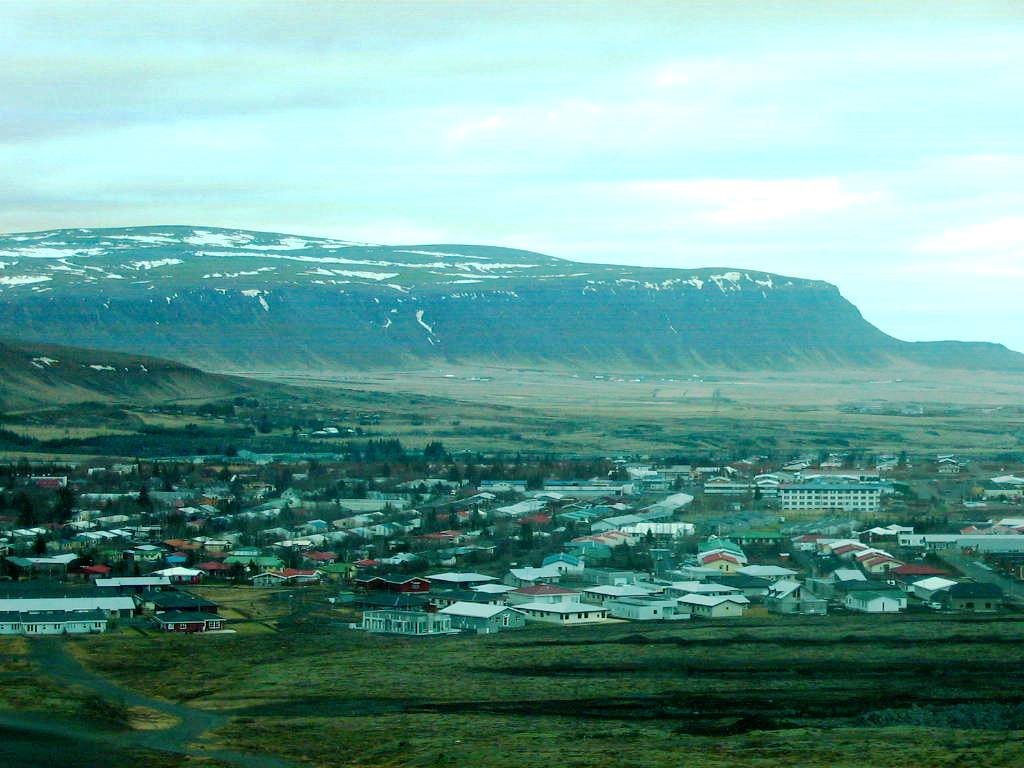
As you leave Hveragerði, Route 1 climbs the steep Kambar slope. About 6 km from town, right at the top, there’s a viewpoint called Kambabrún with a view dial.
Turn around and the whole South Iceland lowland is laid out below you: the steam rising from Hveragerði, the flat-topped Ingólfsfjall mountain, the Ölfusá river heading to the sea and, on a clear day, the Westman Islands on the horizon. Five minutes, free, and it’s the view most people only see in the rear-view mirror.
3. Hveradalir: Steam Vents Right Beside the Ring Road
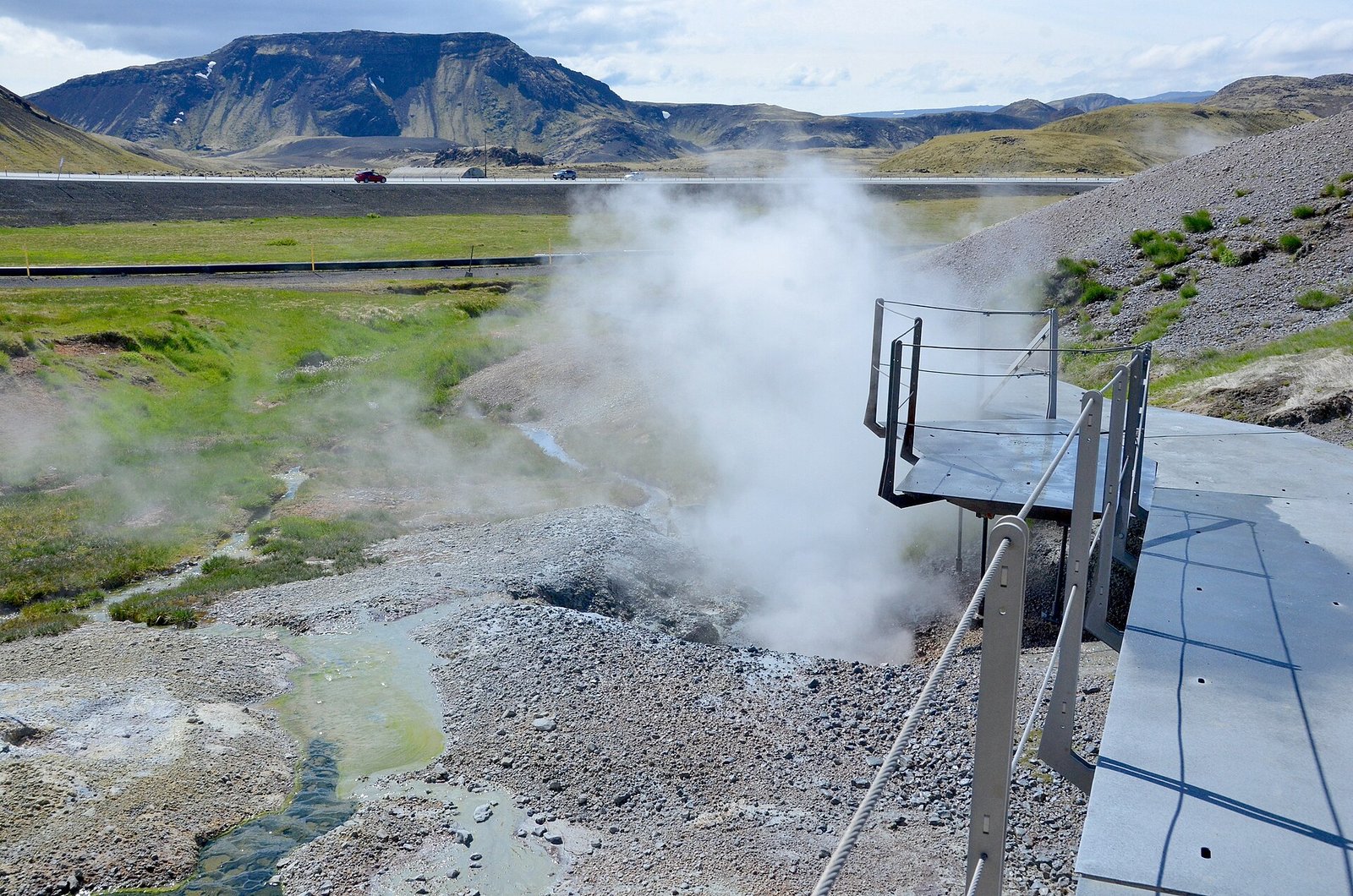
About 15 km from Hveragerði, take the exit marked for Hellisheiðarvirkjun and Skíðaskálinn. Down in the hollow below the old ski lodge is Hveradalir, a hot spring area of hissing vents, bubbling mud and yellow sulphur ground.
What makes it different now is the raised aluminium walkway that loops through the steam. It’s flat and wide enough for a wheelchair, so you can get properly close without wrecking the ground or your boots. Entry is free and the area is open around the clock. Parking is paid, so check the sign when you arrive.
I’d give it 30–45 minutes. If you’ve already seen Geysir it’s a smaller version of the same world, but with a tenth of the people. The old ski lodge, Skíðaskálinn, is mostly a venue for events and Christmas buffets these days, so don’t count on lunch there.
4. The Geothermal Exhibition: Good on a Rainy Day
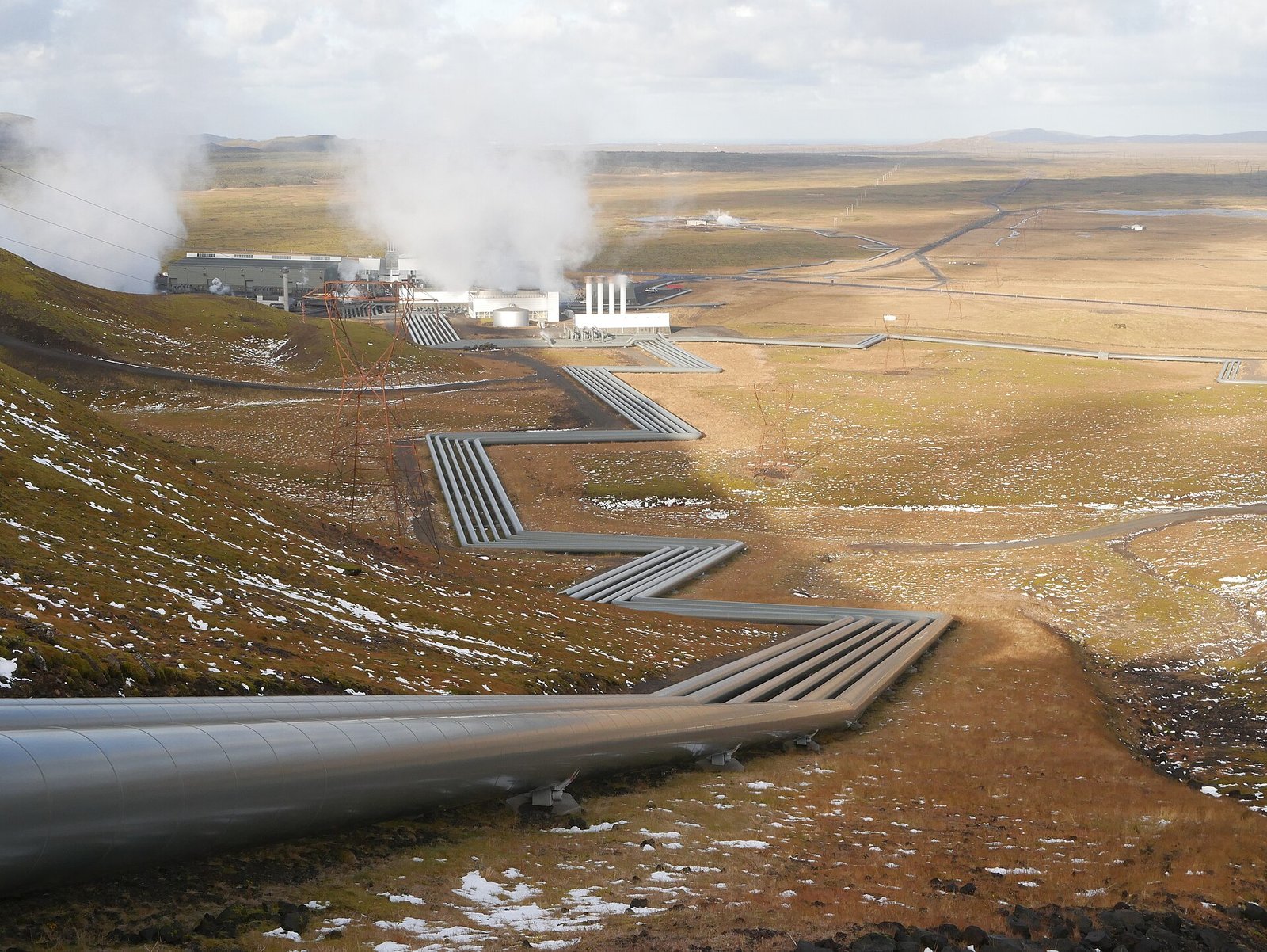
From the same exit, the road continues to the Hellisheiði power plant, one of the biggest geothermal plants in Iceland. Those silver pipes you’ve been driving past carry steam to it, and it supplies hot water for the capital area. Inside there’s a self-guided exhibition about how all this works, including the Carbfix project that turns CO₂ into stone.
- Price: check on.is before you go
- Hours: 09:00–16:00 from November to March, 09:00–17:00 from April to October
- Time needed: 45–60 minutes
My honest take: if the weather is good, spend the time outside at Hveradalir instead. If it’s blowing sideways rain, this is the best warm, dry hour on the route, and kids tend to like it more than they expect.
5. Raufarhólshellir: The Lava Tunnel Detour
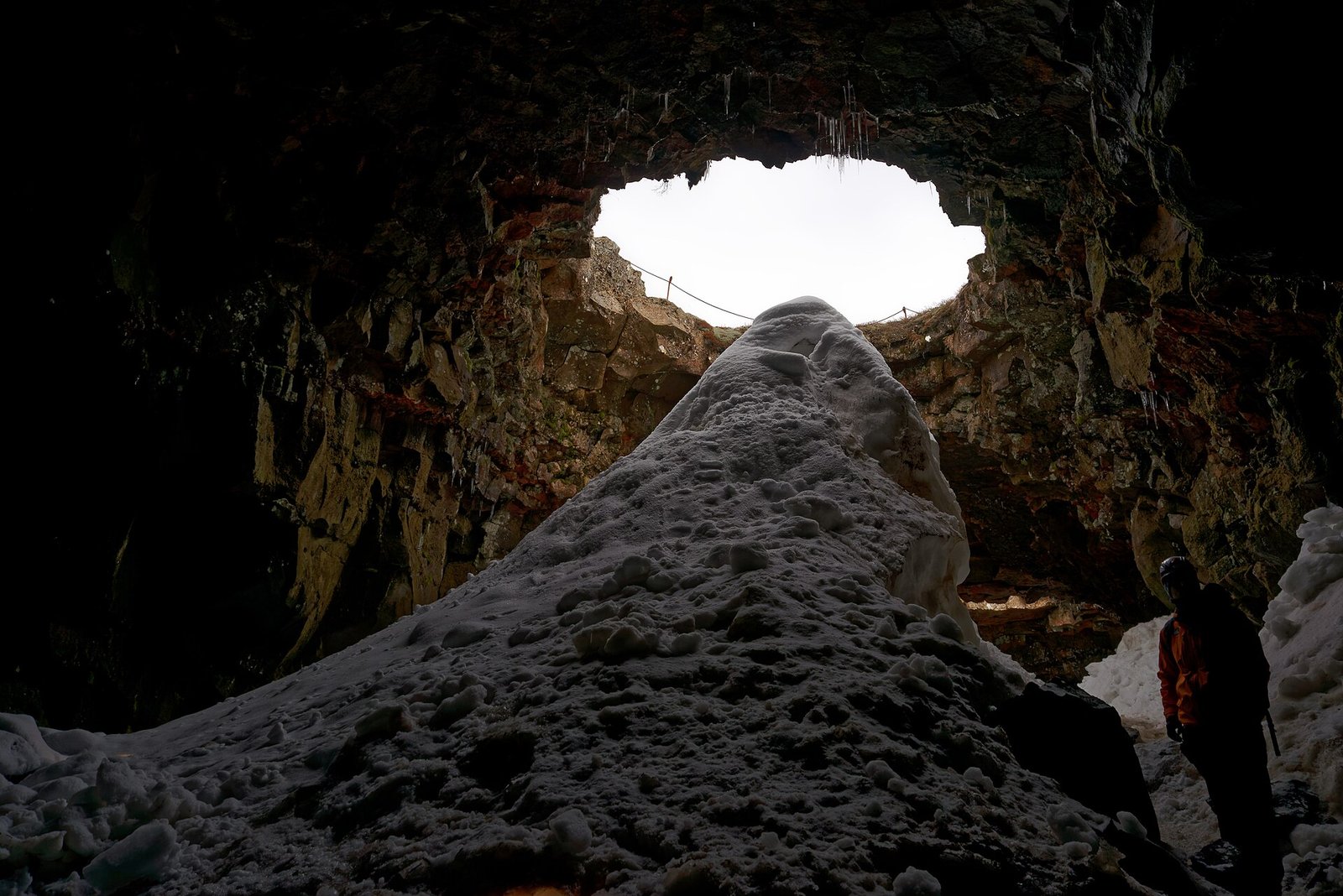
A couple of kilometres further west, the Route 39 exit points south towards Þorlákshöfn. About 12 km down that road is Raufarhólshellir, a lava tube well over a kilometre long, with a lit walkway through the first section. Where the roof has collapsed, daylight pours in through holes in the ceiling, and that’s the picture everyone wants.
The standard guided tour is 8,900 ISK per adult (October 2026), runs on the hour and takes about an hour. It’s well run, but it’s also a lot of money for an hour underground. So I’d only add it if caves are genuinely on your list. Add about 25 minutes of driving for the round trip from Route 1.
Local tip: If you’re still in Hveragerði, you can also reach the cave by going south on Route 38 and then north on Route 39, about 30 km and 30 minutes. You can then rejoin Route 1 on Hellisheiði without doubling back.
What You’ll Pass on the Way Down
After the Route 39 exit, the Hveragerði to Reykjavík road drops off the heath through the Svínahraun lava field. About 20 km from Hveragerði you pass Litla kaffistofan, the little roadside café where Icelanders stopped for coffee and a snack for 65 years. It closed in June 2025, and the building now belongs to a tour company, so don’t plan your coffee break around it.
A few minutes later you pass Sandskeið, where the gliding club flies on calm summer days. Then the Bláfjöll turnoff goes up to the capital’s ski slopes. Neither is a stop for most visitors, but now you know what you’re looking at.
6. Rauðhólar and Heiðmörk: Red Craters on the City’s Edge
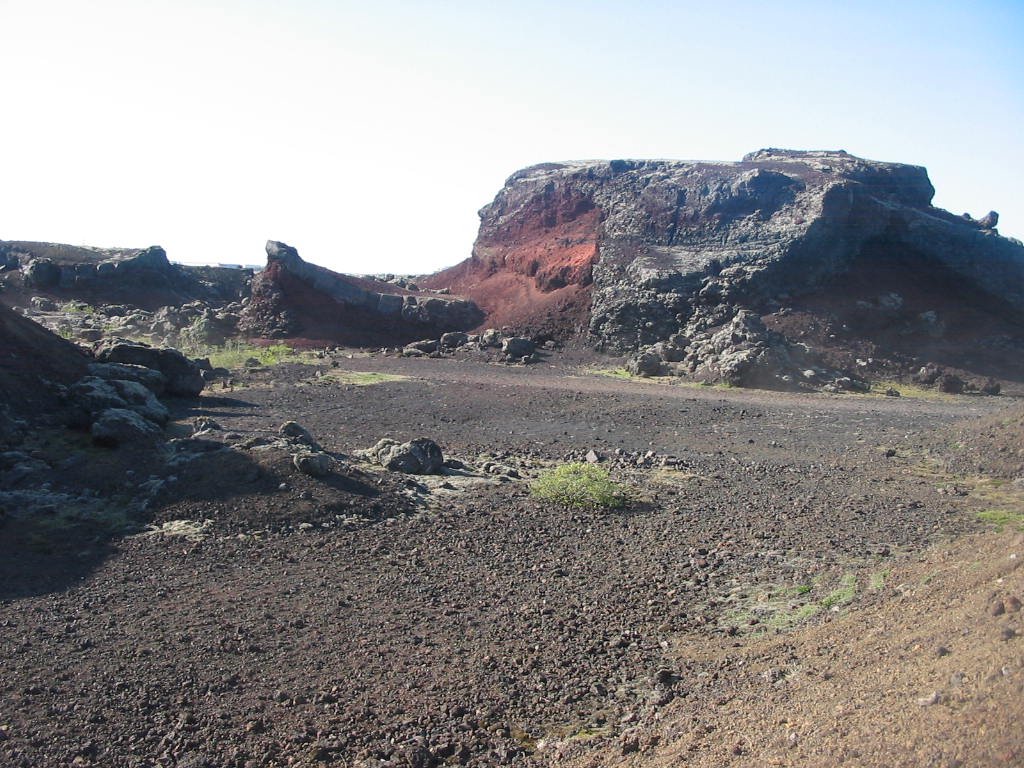
About 33 km from Hveragerði, just before the first roundabouts of Reykjavík, turn left onto Heiðmerkurvegur. There’s a small car park almost straight away for Rauðhólar, the Red Hills.
These are pseudocraters, formed around 5,200 years ago when lava flowed over a shallow lake and the steam blasted up cones of red and black scoria. There used to be more than 80 of them.
Then most of the gravel was dug out around the Second World War to build Reykjavík’s airport and roads, which tells you a lot about how Iceland saw its landscape back then. What’s left is protected now. A 30-minute wander between the red cones is a strange, quiet last stop on the way from Hveragerði to Reykjavík.
If you want more, the road carries on into Heiðmörk, the big forest and lava reserve where people from Reykjavík go walking, running and picnicking at weekends. You won’t meet many tour groups here.
7. Finish in a Reykjavík Pool, Not a Spa
This is the most local thing on the list, and it’s the cheapest. Instead of driving from Hveragerði to Reykjavík and straight to your hotel, stop at a town pool. Árbæjarlaug is a few minutes off Route 1 as you come into the city, and entry to Reykjavík’s town pools is about 1,500 ISK (October 2026). You get hot tubs, a long soak and a crowd of Reykjavík families on their evening swim.
Shower properly without your swimsuit before you go in. It’s the rule, the pool staff will notice, and it’s the one bit of Icelandic etiquette that really matters. For more warm water like this, read my guide to the hot springs locals actually visit.
When to Drive Over Hellisheiði
Summer (June to August): long, light evenings, so you can do the stops in the late afternoon and still have daylight. Expect campervans and slow traffic on the climb.
Winter (November to March): this is where driving Hveragerði to Reykjavík gets serious. Hellisheiði sits high and exposed, and it closes several times most winters because of snow and wind. When it does, traffic is sometimes sent the lower way through Þrengsli (Route 39), but that closes in bad storms too. Don’t try to beat a closure. Leave your travel plan on safetravel.is and wait it out somewhere warm with a coffee.
A few practical notes. Stick to the posted speed limit, because a fine plus your rental company’s admin fee hurts. Hveragerði has fuel, toilets and a supermarket, so sort those before you climb. And once you’re in Reykjavík, read the parking signs and pay through the app, because the city end is enforced.
How This Drive Fits a Longer Trip
Most people drive Hveragerði to Reykjavík on the last afternoon of a South Coast trip, or at the end of a Golden Circle loop through Selfoss. Either way, it’s a good place to slow down. You’re 45 minutes from the city, so there’s no rush, and two or three of these stops turn a transfer into a proper last afternoon.
If you’re still building your days, my posts on how long the South Coast drive really takes and how long the Golden Circle takes have honest timings, stops included. For a full week, here’s my 7-day Iceland ring road itinerary with real drive times. And before you book anything, grab my free money-saving guide below.
Driving South Iceland yourself? Don’t overpay on the way.
My free guide: 10 things tourists waste money on in Iceland, and what locals do instead. Prices checked October 2026.
Hveragerði to Reykjavík: Quick Questions
How long is the drive from Hveragerði to Reykjavík?
Hveragerði to Reykjavík is 46 km, which takes 40–45 minutes without stops or rush-hour traffic. With Hveradalir, Rauðhólar and a pool swim, plan on three to four hours. Add Reykjadalur and it’s a full day.
Is Reykjadalur really free?
Yes. The hike and the bathing are free; you only pay for parking, by the hour. For comparison, the Secret Lagoon in Flúðir is 4,500 ISK and Blue Lagoon Comfort starts from 9,990 ISK (both October 2026).
Is the road over Hellisheiði safe in winter?
It’s a well-maintained main road, but it’s exposed and closes in storms. Check umferdin.is and the vedur.is wind forecast before you set off, and if it says closed, it means closed.
Keep planning